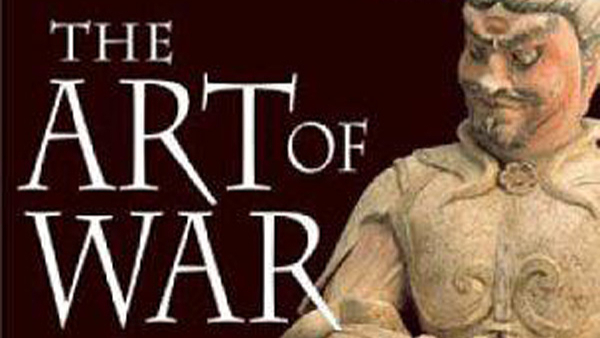
The Art of War
Overview
The Art of War is an ancient Chinese military treatise attributed to Sun Tzu, a military strategist and philosopher who lived in the Eastern Zhou period of ancient China. Composed of 13 chapters, each of which is devoted to a different aspect of warfare, it is considered one of the most influential works on military strategy and tactics. The text is notable for its emphasis on strategy, suggesting that conflict can be avoided through careful planning and understanding of one's opponent. Despite being over 2,500 years old, The Art of War continues to be studied in military academies around the world and has been applied to various fields including business, sports, and politics.
Historical Context
Sun Tzu, also known as Sun Wu, was a military theorist in the Spring and Autumn period (770-476 BC) of China, a time characterized by social upheaval, interstate warfare, and philosophical development. His work, The Art of War, was born out of this context, offering a detailed guide on military tactics and strategy. The text reflects an understanding of the complex interplay between psychology, environment, and strategy in warfare, advocating for the use of intelligence, deception, and strategic planning over brute force.
Modern Relevance and Global Impact
The principles of The Art of War have transcended their original context to impact various global spheres. The text's teachings on strategic thinking and competitive dynamics have been adopted in the fields of business and management, where leaders use its insights to gain competitive advantages. Furthermore, The Art of War has found a place in the educational curricula of military academies worldwide, reinforcing its enduring relevance in both strategic studies and leadership training.
Cultural and Philosophical Significance
The Art of War is more than just a military manual; it represents a cornerstone of Chinese cultural and philosophical thought. It emphasizes the importance of strategy, understanding human nature, and the value of flexibility and adaptability. Sun Tzu's emphasis on winning without fighting and his recognition of the psychological dimensions of conflict have made the text a profound influence on not just military leaders but also philosophers and thinkers throughout history.
Translations and Interpretations
The global influence of The Art of War is partly due to its numerous translations and interpretations. One of the most significant modern translations was done in the early 20th century, which helped to popularize the text in the West. Today, it has been translated into multiple languages, each version providing unique interpretations that cater to various cultural and contextual understandings. The adaptability of its core principles allows it to be relevant across different eras and societies.
Educational Use and Legacy
The Art of War remains a staple in educational settings, particularly in courses focused on strategy, leadership, and history. Its teachings are utilized to foster critical thinking and strategic problem-solving skills among students. The legacy of Sun Tzu's work continues to grow, ensuring that The Art of War maintains its place as a critical resource for understanding conflict and competition in both historical and contemporary contexts. Photo Gallery(3 pictures)CategoriesLiteratureTagLiterary MastersRelated36 Strategies: Cross the Sea by Deceiving the SkyTsai Chih-chungSun TzuThe Knockout (TV Drama)Catalogue1. Overview2. Historical Context3. Modern Relevance and Global Impact4. Cultural and Philosophical Significance5. Translations and Interpretations6. Educational Use and Legacy- - - []








